Building Scalable SEO Indexing Systems
Stop Drowning in Spreadsheets: Construct Your Ultimate Link Structure Stack Monday starts with the usual mess. Prospecting sits in one sheet, domain review in another, outreach replies are buried in someone's inbox, and no one is fully sure which opportunities are live, rejected, or currently won. Link structure rarely fails because groups do not have concepts.
Asia Virtual Solutions YouTubeThe finest link building tools resolve different parts of that problem. One tool surfaces prospects from competitor backlinks, content spaces, or reporter demands. Another assists filter out weak domains before the group wastes hours on them. A 3rd keeps outreach, follow-ups, and relationship history in one place so projects keep moving.
It examines tools by role in the workflow: Prospecting, Outreach, and Analysis. That matters in real operations because no single platform deals with every phase equally well. Ahrefs and Semrush are strong research layers. BuzzStream, Pitchbox, and Respona are built for project execution. Hunter and fill contact information spaces. Majestic, Moz Pro, and BuzzSumo are frequently support tools that sharpen choices rather than replace your core stack.
Reliable VPS Solutions for Global Software
A company running several clients usually needs tighter qualification rules, shared pipelines, and clearer reporting to prevent replicate outreach and squandered prospecting hours. This guide is built for that sort of decision-making. It shows where each tool fits, what it succeeds, where it fails, and how to integrate it with the rest of your process.
AI-driven search is altering what earns citations and exposure, so the greatest stacks now support both traditional link prospecting and the sort of entity, topic, and discuss research covered in these link building finest practices for contemporary SEO teams. The goal is easy. Build a stack your team will use successfully.
Ahrefs is the tool I utilize to respond to that fast, specifically when the bottleneck is prospect quality rather than outreach volume. Site Explorer, Link Intersect, Material Explorer, and the new/lost links views provide teams a practical way to go from broad market research study to a shortlist of domains that already link to similar pages, cite competitor assets, or consistently cover a subject.

The goal is not to export every referring domain. It is to discover patterns. Which pages draw in links? Which publishers link to comparison pages versus data studies? Which competitors are getting links from resource pages you could reasonably pitch? Then I move to Link Intersect. That report is among Ahrefs' best functions for lowering squandered outreach.
A basic Ahrefs-led workflow looks like this: Review referring domains, best-by-links pages, and anchor patterns for your site and close competitors. Usage Link Intersect to separate resource pages, editorial points out, broken-page replacements, and list-style roundups. Inspect current link development, organic relevance, and whether the connecting page type matches your pitch.
Expert Tips for Improving Indexing Results
That last step matters. Ahrefs is exceptional at emerging opportunities, however it will happily give you more data than your group can utilize well. Ahrefs is strongest when you need sharp possibility discovery, not a puffed up all-in-one process. Damaged link building is a fine example. The broken backlinks and outbound links reports make it easier to find dead resources with existing link equity, then build a replacement pitch around a live property.
Asia Virtual Solutions YouTubeMaterial Explorer assists recognize subjects that make links consistently, which is beneficial when planning linkable possessions or adjusting digital PR angles. That also makes Ahrefs helpful for teams believing beyond current rankings. If AI-driven answer engines keep satisfying mentioned, sourceable content, then recurring citation patterns in Ahrefs can help shape future-proof topics before you start outreach.
Ahrefs is not where I want my team running email campaigns. It works much better as the research study layer in a stacked workflow, paired with a dedicated outreach platform and clear qualification guidelines. Without that discipline, groups tend to export huge lists, contact weak potential customers, and blame outreach for a research issue.
Seat count, report limitations, and usage patterns can alter the actual expense quickly in a company setting. I suggest Ahrefs when the main problem is bad prospect choice, weak rival analysis, or uncertain linkable possession direction.
Building Robust SEO Automation Systems
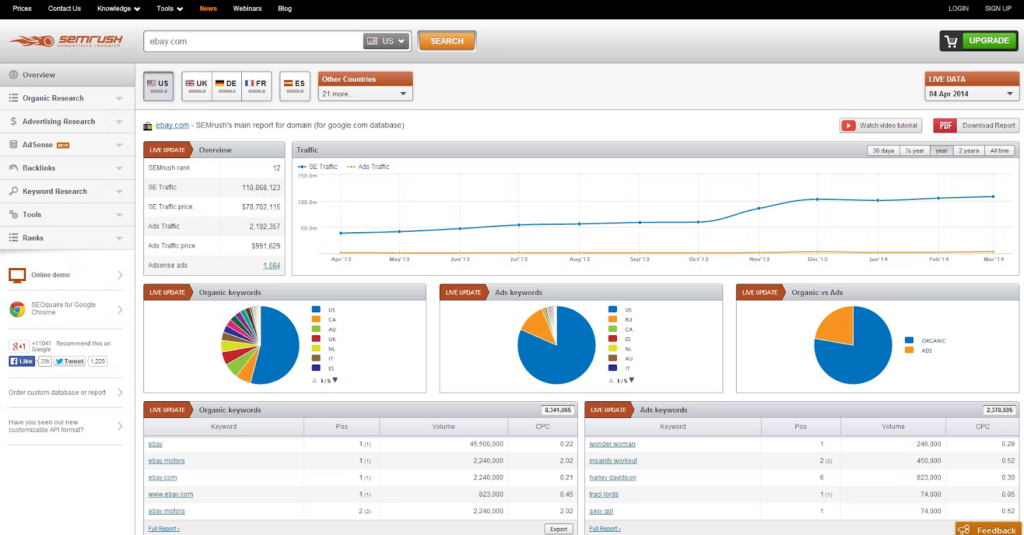
Strategy lives in one tool, possibility lists in a spreadsheet, outreach notes in another system, and link tracking someplace else. I use Semrush for teams that require one running layer across prospecting, qualification, and project tracking.