Is Automated SEO Automation Effective for Growth?
Stop Drowning in Spreadsheets: Construct Your Ultimate Link Structure Stack Monday starts with the normal mess. Prospecting beings in one sheet, domain review in another, outreach replies are buried in somebody's inbox, and no one is totally sure which opportunities are live, rejected, or already won. Link structure hardly ever stops working due to the fact that teams lack concepts.
The finest link structure tools solve different parts of that problem. A third keeps outreach, follow-ups, and relationship history in one place so projects keep moving.
It assesses tools by function in the workflow: Prospecting, Outreach, and Analysis. BuzzStream, Pitchbox, and Respona are built for campaign execution. Majestic, Moz Pro, and BuzzSumo are typically support tools that sharpen decisions rather than change your core stack.
Expert Tips for Boosting Indexing Results
An agency running several clients usually needs tighter credentials rules, shared pipelines, and clearer reporting to avoid duplicate outreach and wasted prospecting hours. This guide is built for that type of decision-making. It reveals where each tool fits, what it does well, where it falls short, and how to integrate it with the rest of your procedure.
AI-driven search is altering what earns citations and exposure, so the strongest stacks now support both classic link prospecting and the kind of entity, subject, and mention research covered in these link structure best practices for modern-day SEO teams. The objective is basic. Construct a stack your group will utilize effectively.
A normal campaign begins with a messy concern: which websites are worth getting in touch with? Ahrefs is the tool I use to answer that quick, specifically when the bottleneck is prospect quality rather than outreach volume. Its value sits directly in the prospecting and analysis stages of a link building workflow. Website Explorer, Link Intersect, Material Explorer, and the new/lost links views provide teams a useful method to go from broad marketing research to a shortlist of domains that already link to similar pages, mention rival properties, or repeatedly cover a subject.

The goal is not to export every referring domain. It is to discover patterns. Which pages bring in links? Which publishers link to comparison pages versus data studies? Which competitors are getting links from resource pages you could reasonably pitch? I move to Connect Intersect. That report is among Ahrefs' finest functions for reducing squandered outreach.
A simple Ahrefs-led workflow appears like this: Review referring domains, best-by-links pages, and anchor patterns for your site and close rivals. Use Link Intersect to separate resource pages, editorial discusses, broken-page replacements, and list-style roundups. Examine current link development, organic relevance, and whether the linking page type matches your pitch.
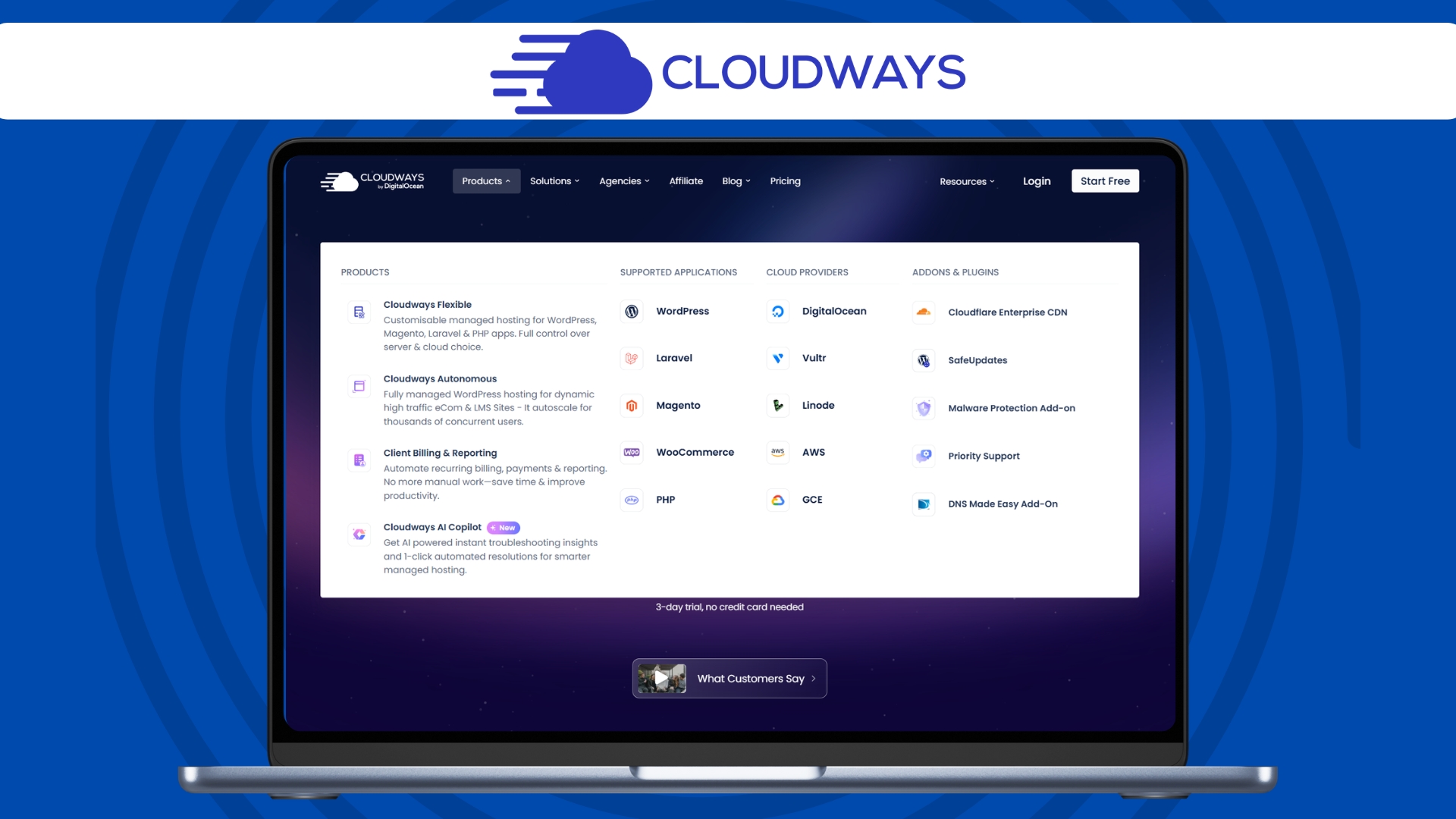
Reliable VPS Hosting for Global Automation
Damaged link building is an excellent example. The broken backlinks and outbound links reports make it much easier to discover dead resources with existing link equity, then develop a replacement pitch around a live property.
GSA SER project serviceContent Explorer assists determine topics that earn links consistently, which works when planning linkable assets or adjusting digital PR angles. That likewise makes Ahrefs useful for teams believing beyond existing rankings. If AI-driven response engines keep fulfilling mentioned, sourceable material, then repeating citation patterns in Ahrefs can help form future-proof subjects before you begin outreach.
Ahrefs is not where I desire my group running email campaigns. It works much better as the research study layer in a stacked workflow, coupled with a dedicated outreach platform and clear credentials rules. Without that discipline, teams tend to export huge lists, contact weak prospects, and blame outreach for a research issue.
Seat count, report limitations, and usage patterns can alter the real cost quickly in an agency setting. I recommend Ahrefs when the primary issue is poor possibility choice, weak competitor analysis, or unclear linkable property direction.
Advanced Mass Link Indexing for 2026
Technique lives in one tool, possibility lists in a spreadsheet, outreach notes in another system, and link monitoring somewhere else. I use Semrush for teams that require one running layer across prospecting, certification, and project tracking.