Is Programmatic SEO Automation Effective for Growth?
Hunter is a contact discovery and confirmation tool. That narrow scope is a strength. For small teams, its built-in outreach functions might cover fundamental sending out. For firm production or multi-campaign internal programs, I normally treat those functions as secondary. Committed outreach platforms still do a better task with division, relationship history, collaboration, follow-up control, and campaign reporting.
If the outreach group is sending out strong pitches to weak or out-of-date email addresses, project quality drops quickly. Excellent contact data does not ensure links, but bad contact data certainly injures action rates. The finest use case is targeted outreach where contact precision matters more than volume. Guest post pitches, link insertions, digital PR follow-ups, and resource page outreach all gain from cleaner contact discovery.
custom GSA SER projectsIf a site has no visible editorial contact, Domain Search can quickly inform you whether there is a practical outreach path or whether the group should drop that prospect and move on. That saves time throughout bigger lists.
AI can help surface area appropriate sites and patterns. You still require accurate human contact information to turn those opportunities into real conversations. Hunter deals with that middle layer well, and that is why it stays beneficial in both company and internal workflows. is for teams that desire outreach and contact discovery under one roofing system without moving up to a much heavier company platform.
Why Automated Indexing Is Essential for SEO
That makes it appealing for small internal groups, start-ups, and specialists who wish to keep software application spend consisted of. It's not a specialist link structure database, however it can support link outreach well if your prospecting already takes place in other places. works when your outreach model is list-driven. You've already recognized potential customers from search operators, rival links, or niche research study.
Use it for workflows like these: Import vetted domains and build contact series. Keep campaigns in one platform. Reduce app changing if just one or two individuals own outreach. The piece de resistance is consolidation. That's useful if your current stack has a lot of different memberships for finder, verifier, sequencer, and inbox management.
When a team just needs contact discovery plus a few manual emails, a lighter setup may be cleaner. However if you're doing repeated outreach every month, the included deliverability and workflow tools become more useful. I likewise wouldn't select it for backlink intelligence. It's an execution layer, not a replacement for Ahrefs, Semrush, or Majestic.
custom GSA SER projectsReliable VPS Solutions for SEO Software
One practical example. A start-up doing comparison-page outreach may utilize Ahrefs to find websites connecting to competitor options pages, qualify the list manually, then move that list into for contact discovery and series management. That's a practical low-complexity stack when the objective is controlled outreach volume, not agency-scale operations. BuzzSumo is less about timeless backlink prospecting and more about earning links through material and media significance.
I use it when the project starts with a story angle rather than a competitor export. Some links are won because you found a space.
Its Content Analyzer and trend tools assist recognize stories with traction. Its media and journalist functions assist turn that angle into a focused target list. A practical example assists. Say a fintech brand name has exclusive use data and desires links from financing and company publications. BuzzSumo can help find the reporters already covering comparable subjects, the outlets magnifying associated stories, and the content styles most likely to make attention.
BuzzSumo works finest for link earning, not link asking for. If your group is developing reactive or editorially driven campaigns, the tool can shorten the path from idea to media list. It does not replace an outreach platform.
, BuzzSumo is typically the much better very first tab to open. That makes it one of the more underrated tools in modern-day link building stacks, particularly now that authority media protection can support both traditional rankings and wider brand name exposure.
Configuring Cloud VPS Nodes for Automated Tools
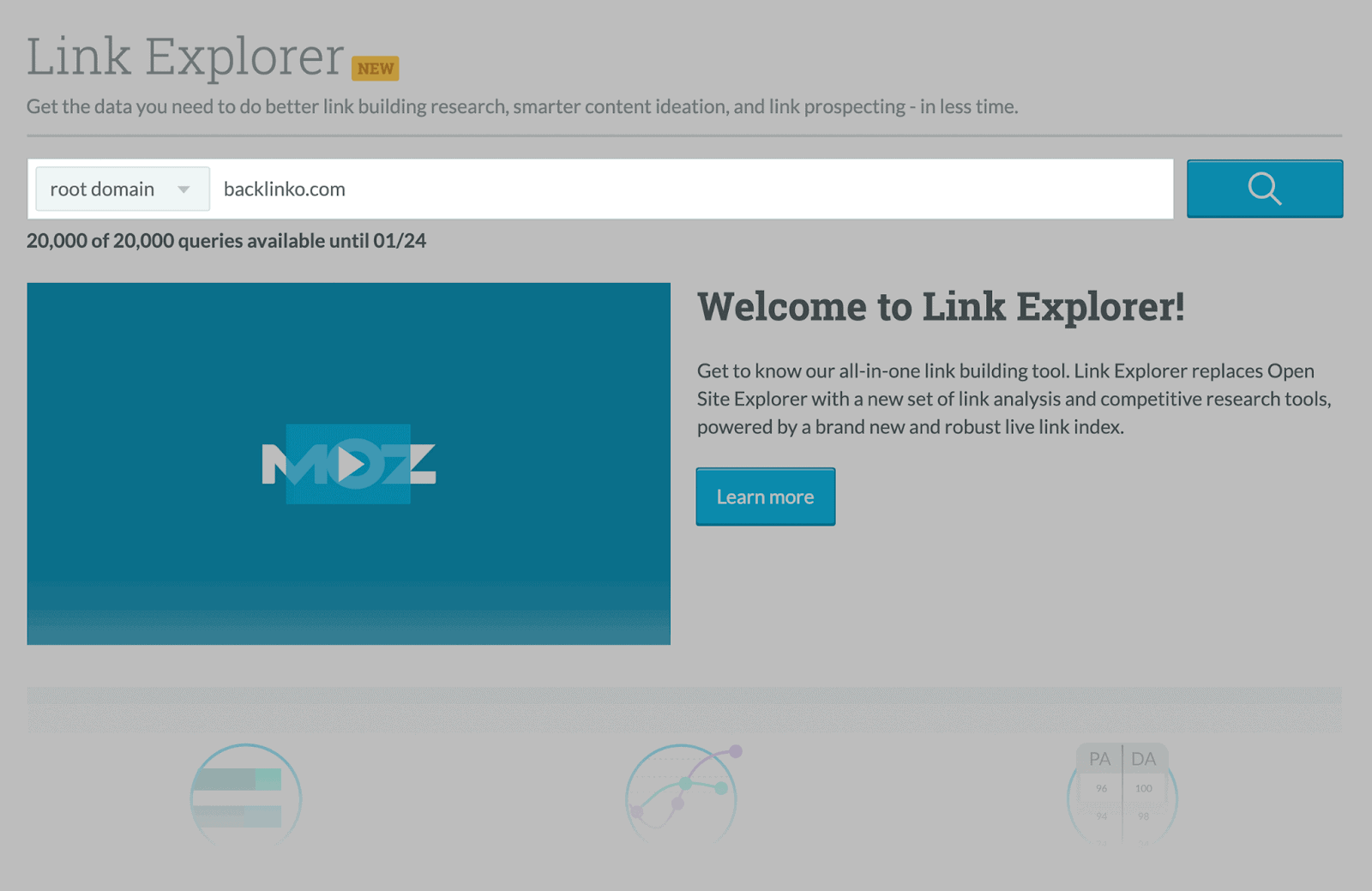
That is where Moz Pro still fits. In a workflow-first stack, Moz is generally not the starting point for finding opportunities. It is the layer used to certify potential customers, sense-check authority, and report in a metric language many stakeholders already understand. Moz Pro rates starts at $99/month on the Moz rates page.
In practice, that can make approvals simpler and reporting cleaner, even if the real prospecting took place elsewhere. For internal teams, the same uses when management desires an easy authority metric they have seen before. Cross-check domains before outreach, particularly when a list was sourced from another platform. Usage DA and PA in customer updates when those metrics are already part of the account vocabulary.
Moz is also helpful if the group desires one platform that covers rank tracking, site auditing, and link analysis at a moderate level. Moz Pro is not the greatest choice for heavy rival link analysis or broad possibility mining.
Used well, Moz becomes an assistance tool, not a standalone link building system. A useful stack looks like this: prospect with Ahrefs or Semrush, manage outreach in BuzzStream or Pitchbox, then utilize Moz to confirm authority and keep reporting constant. As AI-driven prospecting improves at appearing significance signals and ignored chances, Moz still holds value as a familiar scoring layer that assists teams decide which potential customers deserve pursuing.
Groups do not buy "a link structure tool." They put together a stack for three tasks: prospecting, outreach, and analysis. That is the frame that makes this table beneficial, because the very best choice depends upon where your workflow breaks down. Utilize it to find healthy rapidly. Then stack tools by role rather of expecting one platform to bring the entire procedure.
Proven Strategies for Managing Automated SEO
Use and credits affect cost Semrush SEO Toolkit, Link Structure, Backlink analytics, outreach workflows Integrated work space. Feature gain access to differs by plan Broad SEO platform that combines research study and outreach in one system Full-service agencies, internal SEO teams Tiered toolkits. Add-ons may apply Majestic Trust Flow, Citation Flow, Topical Trust Flow, historical index Link-focused metrics with strong historical analysis Strong for link quality review and long-lasting backlink pattern analysis Experts, auditors, link quality-focused teams Membership prepares with modest tiers BuzzStream Outreach CRM, contact discovery, e-mail sequencing, group reporting Team-focused UX with combinations throughout common SEO tools Best for managing outreach operations, ownership, and follow-ups Outreach groups, link builders, PR teams Subscription.
Verification helps in reducing bounce risk Precise contact finding and email confirmation for outreach assistance Small groups, outreach assistance roles Tiered subscription. Designer and API plans readily available Email finder and verifier, Unibox outreach, deliverability, automation High sending limitations for the price. UI can feel thick Cost-efficient alternative for scaled outreach and multichannel campaigns High-volume outreach groups, startups Volume-based strategies.