Mastering Automated Backlink Deployment for 2026
For little groups, its built-in outreach functions might cover standard sending out. Dedicated outreach platforms still do a much better job with division, relationship history, partnership, follow-up control, and project reporting.
If the outreach group is sending out strong pitches to weak or out-of-date e-mail addresses, campaign quality drops fast. Great contact information does not guarantee links, but bad contact data certainly injures action rates. The finest usage case is targeted outreach where contact precision matters more than volume. Visitor post pitches, link insertions, digital PR follow-ups, and resource page outreach all gain from cleaner contact discovery.
Asia Virtual Solutions YouTubeIf a site has no visible editorial contact, Domain Browse can rapidly inform you whether there is a reasonable outreach path or whether the group ought to drop that prospect and proceed. That conserves time across bigger lists. Hunter's prices starts at $34 per month on the Hunter rates page.
AI can assist surface area appropriate sites and patterns. You still need precise human contact data to turn those opportunities into real conversations. Hunter manages that middle layer well, which is why it stays beneficial in both agency and in-house workflows. is for groups that desire outreach and contact discovery under one roof without moving up to a heavier firm platform.
Expert Tips for Improving Indexing Results
That makes it appealing for small internal groups, start-ups, and experts who want to keep software invest consisted of. It's not a professional link structure database, but it can support link outreach well if your prospecting already occurs somewhere else. works when your outreach design is list-driven. You have actually currently identified prospects from search operators, competitor links, or specific niche research.
Use it for workflows like these: Import vetted domains and build contact series. Keep projects in one platform. Minimize app changing if only a couple of individuals own outreach. The primary attraction is debt consolidation. That's handy if your current stack has too numerous different memberships for finder, verifier, sequencer, and inbox management.
When a group just needs contact discovery plus a couple of manual emails, a lighter setup may be cleaner. However if you're doing duplicated outreach every month, the included deliverability and workflow tools become better. I likewise would not choose it for backlink intelligence. It's an execution layer, not a replacement for Ahrefs, Semrush, or Majestic.
Building Robust Link Indexing Systems
One useful example. A startup doing comparison-page outreach might utilize Ahrefs to discover websites linking to rival options pages, qualify the list by hand, then move that list into for contact discovery and sequence management. That's a sensible low-complexity stack when the objective is managed outreach volume, not agency-scale operations. BuzzSumo is less about classic backlink prospecting and more about making links through material and media importance.
I do not utilize it as a replacement for a backlink database. I utilize it when the project starts with a story angle instead of a rival export. That's an essential difference. Some links are won since you found a space. Others are won due to the fact that you provided journalists or editors something prompt to cover.
Its Content Analyzer and pattern tools assist recognize stories with traction. Say a fintech brand has proprietary usage data and wants links from financing and service publications.
BuzzSumo works finest for link earning, not link asking for. If your group is constructing reactive or editorially driven campaigns, the tool can reduce the path from concept to media list. It doesn't replace an outreach platform.
If the campaign begins with "what story can we tell?" rather of "who links to competitors?", BuzzSumo is often the much better first tab to open. That makes it one of the more underrated tools in modern-day link structure stacks, especially now that authority media protection can support both classic rankings and wider brand name visibility.
Building Scalable Link Indexing Systems
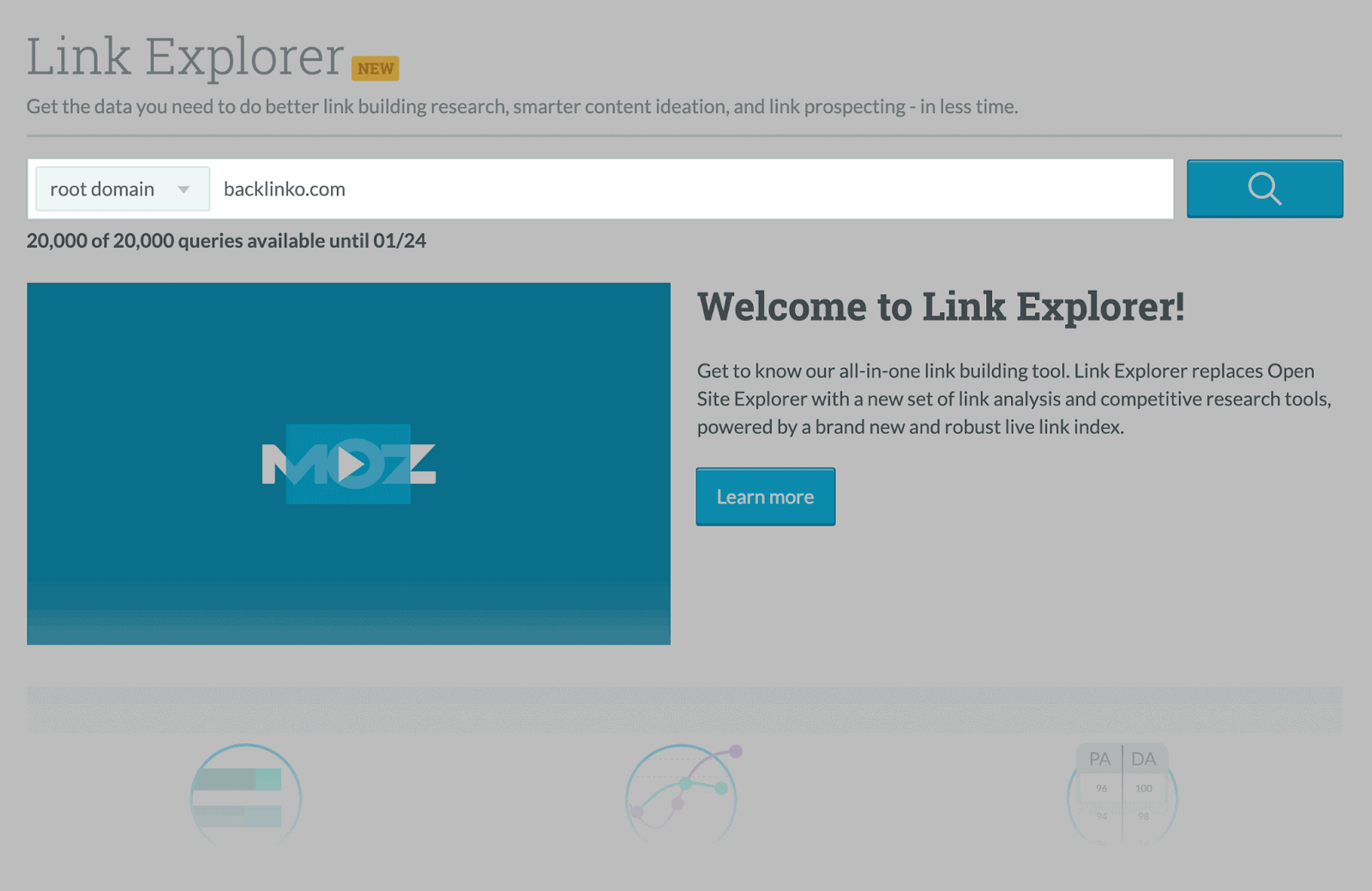
That is where Moz Pro still fits. In a workflow-first stack, Moz is usually not the starting point for discovering chances. It is the layer used to certify prospects, sense-check authority, and report in a metric language lots of stakeholders already know. Moz Pro prices starts at $99/month on the Moz rates page.
In practice, that can make approvals easier and reporting cleaner, even if the actual prospecting occurred in other places. For in-house teams, the same uses when management wants a basic authority metric they have actually seen before. Cross-check domains before outreach, specifically when a list was sourced from another platform. Usage DA and PA in customer updates when those metrics are already part of the account vocabulary.
Moz is likewise beneficial if the group wants one platform that covers rank tracking, site auditing, and link analysis at a moderate level. Moz Pro is not the strongest option for heavy rival link analysis or broad possibility mining.
Utilized well, Moz ends up being an assistance tool, not a standalone link building system. A practical stack looks like this: possibility with Ahrefs or Semrush, manage outreach in BuzzStream or Pitchbox, then utilize Moz to verify authority and keep reporting consistent. As AI-driven prospecting gets much better at appearing significance signals and overlooked chances, Moz still holds worth as a familiar scoring layer that helps groups decide which prospects deserve pursuing.
Teams do not buy "a link building tool." They put together a stack for three jobs: prospecting, outreach, and analysis. That is the frame that makes this table beneficial, because the best choice depends on where your workflow breaks down. Use it to find fit rapidly. Stack tools by role instead of expecting one platform to carry the whole process.
Complete Manual for Running SEO Systems
Usage and credits impact cost Semrush SEO Toolkit, Link Structure, Backlink analytics, outreach workflows Integrated work area. Feature gain access to differs by strategy Broad SEO platform that combines research study and outreach in one system Full-service firms, in-house SEO groups Tiered toolkits. Add-ons might apply Majestic Trust Circulation, Citation Circulation, Topical Trust Circulation, historic index Link-focused metrics with strong historical analysis Strong for link quality evaluation and long-term backlink pattern analysis Analysts, auditors, link quality-focused groups Membership plans with modest tiers BuzzStream Outreach CRM, contact discovery, e-mail sequencing, team reporting Team-focused UX with integrations throughout common SEO tools Best for managing outreach operations, ownership, and follow-ups Outreach groups, link contractors, PR teams Subscription.
Verification helps in reducing bounce threat Precise contact finding and e-mail confirmation for outreach support Small teams, outreach support roles Tiered membership. Designer and API plans offered Email finder and verifier, Unibox outreach, deliverability, automation High sending limits for the rate. UI can feel thick Economical option for scaled outreach and multichannel campaigns High-volume outreach groups, start-ups Volume-based strategies.