Maximizing Software Performance Via Remote Desktops
A Virtual Private Server (VPS) is a type of virtual device that mimics the experience of a dedicated physical server by splitting a physical server "virtually," allowing several users to create their own virtual servers on one physical server. While multiple Virtual Personal Servers are hosted on one physical server, each VPS is completely private, implying it can run independent operating systems, and has its own devoted memory.
VPS hosting is a lot more cost-efficient for the vast bulk of businesses than purchasing, setting up, and preserving physical servers. Additionally, users can scale up their virtual personal servers rapidly by either including memory to a single VPS or by developing extra VPS circumstances with their preferred VPS service provider.
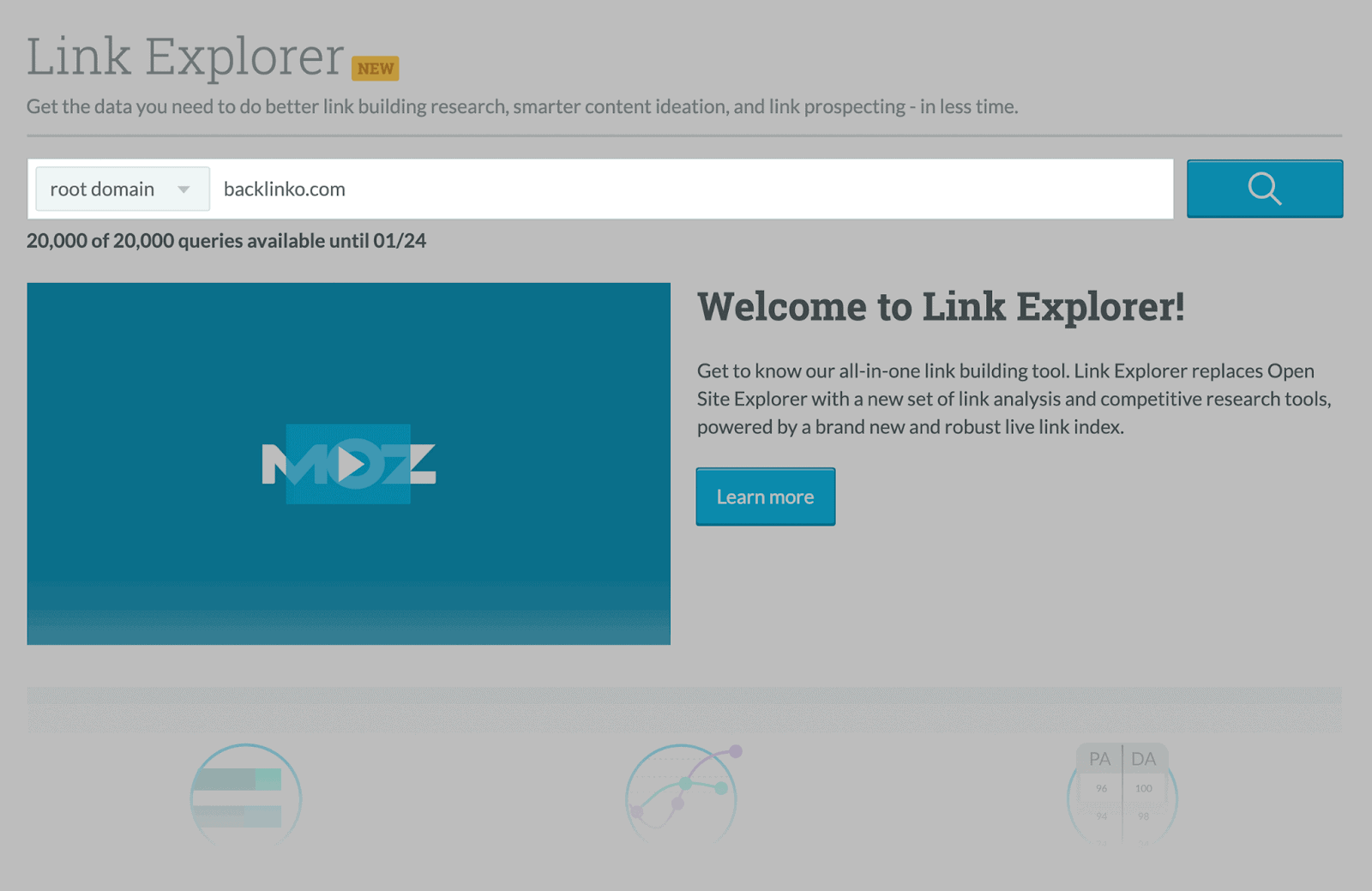
SEO VPS uses remote availability from any supported Internet-connected device, allowing you to set up the essential tools and digital marketing software application. Screen your SEO performance, work from anywhere, and get the trust of countless web designers and affiliate online marketers worldwide. Our SEO VPS totally supports Scrapebox VPS, SEnuke VPS, GSA VPS, as well as Moz Pro, Ahrefs, Semrush, Long Tail Pro, Shrieking Frog, Keyword Coordinator, and any other SEO tool you need.
An SEO VPS server is a virtual private server for running SEO tools and automation software application in a stable, separated environment. Unlike standard VPS hosting, it's built to manage jobs like information scraping, backlink building, rank tracking, and traffic generation. You get whole root or admin access to install and manage any SEO application you require.
Designed for speed and uptime, an SEO VPS server enables SEO experts, marketers, and companies to manage numerous campaigns efficiently, without any slowdowns or disruptions, even when managing heavy, multi-threaded SEO work. An SEO tool VPS is specifically created to support many kinds of SEO software application. It can be established the way you require it to be, depending on your tools and your chosen working style.
Benefits of High-Performance VPS in 2026
These tools facilitate important tasks such as automation, keyword tracking, rank monitoring, backlink building, and web scraping. It's an excellent choice if you want a smooth, powerful setup that supports your SEO work from start to end up. Here are some popular SEO tools that can be hosted by an SEO VPS.
spun content risk GSA SERWhen it comes to VPS SEO hosting, performance, scalability, and trust are whatever. At Bacloud, we have actually created our servers to provide precisely that.
Host your SEO tools near your target areas for faster efficiency. Select from 2 to 32 CPU cores and up to 128 GB RAM. Get your SEO VPS up and running in a few minutes. Take pleasure in high performance at affordable rates. Reach out anytime, our team is available 24/7. SEO tools frequently require a stable system that will not crash throughout long data scraping tasks or while running several bots.
It's likewise enhanced for performance, even under heavy work.

KVM Real virtualization Isolated resources that neighbors can never touch. Class C Several devoted IPs The exact same IP variety, now on your own server.
Efficient Bulk Link Indexing Techniques for 2026
If you wish to run very unique server applications like SEO tools, a dedicated server is the best alternative. Instead of a devoted server, a virtual server (vServer) is recommended in many cases: With vServers, the computing resources can be better adapted to the resources really used. Also vServers can be more secure if you are with an excellent provider.
In this post we reveal you the advantages and downsides of having your own server on the Web. 60 Days Cash back Guarantee max RAM: 6 GB max Storage: 75 GB max Bandwidth: 2 TB Control Board, Root Gain access to cost from $4.49/ mo Excellent Price-Performance Ratio max RAM: 32 GB max Storage: 320 GB max Bandwidth: 10 TB CPanel, Root Access price from $5/mo Experienced & Reliable max RAM: 16 GB max Storage: 400 GB max Bandwidth: 16 TB CPanel, Root Gain access to rate from $6/mo An VPS/ vServer for SEO tool hosting has the following benefits: Operation of any server applications: For shared webhosting and managed servers you have to utilize the server software application offered by the service provider.
a Redis server, is normally not possible. This is likewise the primary factor why some decide to run their own server. Much better performance through specific setups: Shared webhosting and handled servers typically include a configuration that can be used flexibly for as numerous customers as possible.