The Evolution of Large-Scale Discovery Solutions in 2026

No index no charge. If a page doesn't appear in Google search engine result, your credit is immediately returned. Stop spending for guarantees spend for real outcomes.

Increase your site's visibility with Junia AI's free option. It's basically a basic but truly effective URL indexing tool that lets you send new pages, upgraded material, and backlinks to online search engine, so they begin appearing in search engine result faster and more regularly. Rather of waiting days and even weeks for spiders to maybe find your pages one day, you can in fact press them yourself for quicker and better organic presence.
Whether you are handling simply a couple of crucial landing pages or countless blog site posts and backlinks, the function keeps things organized and simple to handle, even when everything gets huge. It's made to be fast and extremely instinctive, so you do not lose time by hand examining what's indexed and what still isn't.
The from Junia AI is a focused SEO tool that speeds up and enhances how your pages and backlinks get found and indexed by online search engine. Instead of just depending on passive crawling, this: Accepts a list of URLs (like websites, blog posts, item pages, classification pages, or backlinks) Prepares them for submission to Google and other search engines Automates parts of the URL indexing workflow that would normally be extremely handbook and time consuming Supports bulk submission so you can manage huge indexing tasks simultaneously In practice, it basically serves as your for: New site launches Big content updates Link building projects Website migrations or URL structure modifications With an over on indexing attempts, this offers you way much better chances of getting your content found quickly rather of simply waiting around for random crawler sees.
How to Scale Mass URL Indexing in 2026
Using a dedicated like Junia AI's includes a lot of SEO and workflow advantages. When you publish new content or develop brand-new backlinks, search engines need to crawl and index those URLs before they can rank. The helps you: Reduce the hold-up between publishing and indexing Get brand-new posts, product pages, and landing pages into Google's index quicker Reduce the time it requires to in fact see SEO impact from your updates For websites that publish a lot, this can honestly make a visible difference in traffic growth.
By focusing your on your essential URLs, you can: Assist online search engine focus on high worth pages Prevent wasting crawl resources on low concern or out-of-date URLs Enhance total site exposure in search engine result The bulk function also helps search engines discover and evaluate your most valuable referring pages in a more effective way.
A backlink indexer tool: Sends your crucial backlink URLs for indexing Increases the chance that Google will count those links as ranking signals Supports link structure projects by making certain discovered links are in fact seen by search engines This is specifically beneficial if you do outreach, visitor posting, digital PR, or any kind of structured link building.
As your site grows from hundreds to thousands (or perhaps hundreds of thousands) of URLs, manual indexing simply stops being sensible. A: Manages large batches of URLs at the exact same time Keeps your indexing demands arranged and repeatable Scales with your publishing schedule and link structure speed Not every URL actually deserves an indexing request.
URLs that benefit most from an indexing demand are: Totally brand-new pages that online search engine do not know yet Existing pages with significant updates (brand-new sections, revitalized info, enhanced on page SEO) Canonical URLs that replace older or duplicate variations Pages impacted by URL structure changes, migrations, or reroutes By doing this search engines are utilizing the latest and most pertinent variation of your content.
GSA SER projectsTop Strategies for Reliable Backlink Indexing
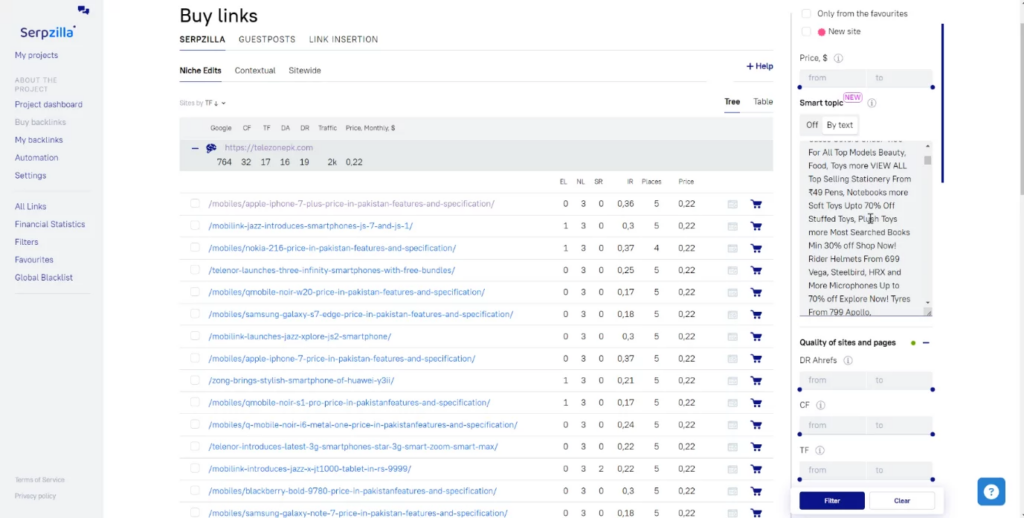
For, good prospects include: Visitor posts connecting back to your site Niche edits and contextual links inside relevant posts PR placements and news mentions High authority directory or resource page listings Links from partners, affiliates, or industry resources These backlinks can be actually strong SEO signals if they're appropriately found and indexed.
A solid typically follows a couple of easy finest practices. Instead of mixing every kind of URL in one huge batch, try grouping: New content vs upgraded content Money pages (like item or landing pages) vs informational pages Backlinks vs your own domain URLs High top priority vs lower top priority URLs This makes it easier to track which types of URLs are getting indexed and to choose what to concentrate on next.