Top Software Link Building Platforms for 2026

A familiar agency scenario. The prospect list is solid, the team has templates, and projects are live throughout several customers, however execution begins to fray. Follow-ups head out late, approvals sit in inboxes, and reporting develop into manual cleanup. Pitchbox is constructed for that phase of link structure. Its role in a workflow-first stack is clear.
That distinction matters since Pitchbox is stronger as an outreach operating system than as a standalone discovery tool. Pitchbox fits teams that currently have a repeatable procedure and need scale with responsibility. Agencies are the obvious fit, but large in-house teams can get value from it too if outreach is ongoing and numerous stakeholders require presence into campaign status.
Run separate series for guest posts, link insertions, resource pages, and digital PR outreach. Pitchbox is not the tool to buy since outreach feels unpleasant when in a while.
Is Automated Link Building Effective for Success?
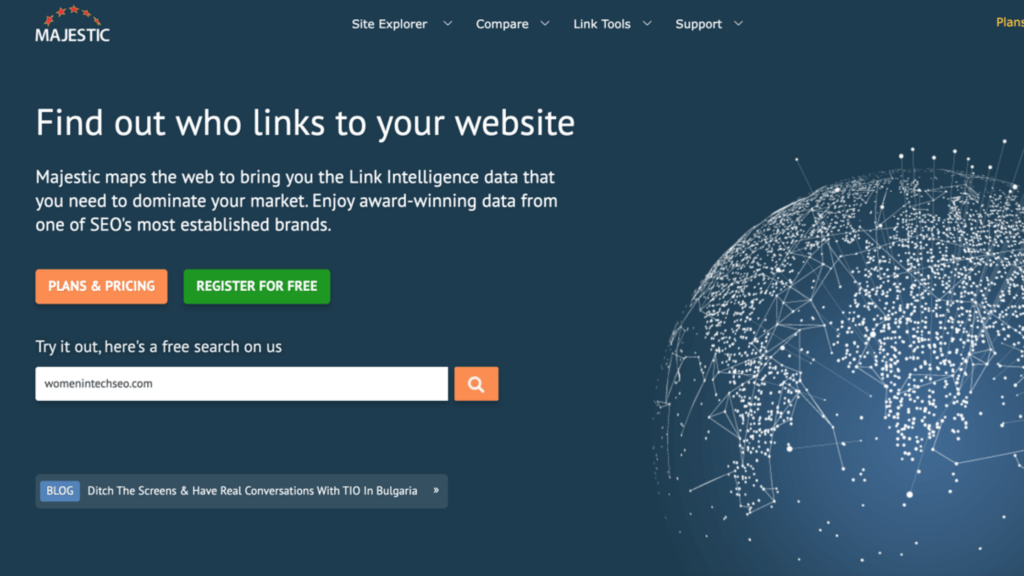
Pitchbox rewards disciplined inputs. If possibility qualification is weak or the same generic series gets utilized across every campaign type, the platform will assist you send more average outreach, much faster. The much better setup is specific. Construct and vet lists in Ahrefs, Semrush, or Majestic. Import only qualified prospects into Pitchbox.
That structure provides account supervisors and outreach professionals a cleaner workflow and makes reply data better. I would also deal with Pitchbox as part of a stack, not the entire stack. It handles outreach execution well. It does not remove the requirement for human credentials, angle development, or post-placement analysis.
One trade-off is adoption overhead. Pitchbox is powerful, but it is not the fastest tool to roll out for a little team with basic requirements. If campaigns are periodic or the team is still finding out how to prospect and pitch, lighter tools normally make more sense. A common firm situation looks like this.
Respona fits that space better than tools built primarily for CRM-heavy outreach groups. In a workflow-first stack, Respona sits in between prospecting and execution. It is developed for teams that want one system to deal with prospect discovery, contact finding, sequencing, and project management, rather of stitching together numerous point tools. That matters when link building is active on a monthly basis, but the group still desires a tighter process than a spreadsheet-plus-inbox setup can support.
An SEO supervisor or strategist might understand precisely which projects should run, but the team does not have the time to move every chance from list building to outreach and follow-up without drop-off. Its entry plan starts at $99 each month, according to Respona rates. That makes it simpler to check than some heavier outreach platforms, specifically for groups that desire prospecting and outreach in the exact same tool.
Configuring Cloud VPS Servers for SEO Software
Resource page outreach, link insertions, and list addition campaigns are generally easier to standardize than extremely customized digital PR work. That gives the team cleaner information on reply rates, positioning quality, and time per project before expanding into more complex outreach. A practical rollout usually appears like this: Standardized asks are simpler to investigate and improve.
custom GSA SER projectsInspect whether the page, context, and domain support the authority you want to build. Respona is strongest when the group worths speed and process control more than total manual modification. If outreach professionals wish to hand-build every contact list, personalize every touchpoint from scratch, and handle every status change themselves, a lighter workflow can feel more natural.
That works in genuine production environments where project time vanishes into contact collection, follow-up scheduling, and status updates instead of angle development. The compromise is that software application can compress workflow, but it can not fix weak strategy. Groups still need to decide which pages should have links, which outreach angle is reliable, and which positionings are worth keeping.
Building Scalable Link Indexing Systems
Respona can assist run the device. It does not change the operator. You have a solid prospect list, a pitch angle that must work, and a page worth promoting. Then the project slows down at the contact stage. That is the task Hunter handles well. In a workflow-first link structure stack, Hunter belongs in the handoff between prospecting and outreach.
It is the tool I use once the list is already qualified and I require dependable contact information before anything enters into BuzzStream, Pitchbox, or another outreach system. That distinction matters. Teams typically waste time asking an e-mail finder to do method work. Hunter is far better as a precision utility inside a bigger process.